
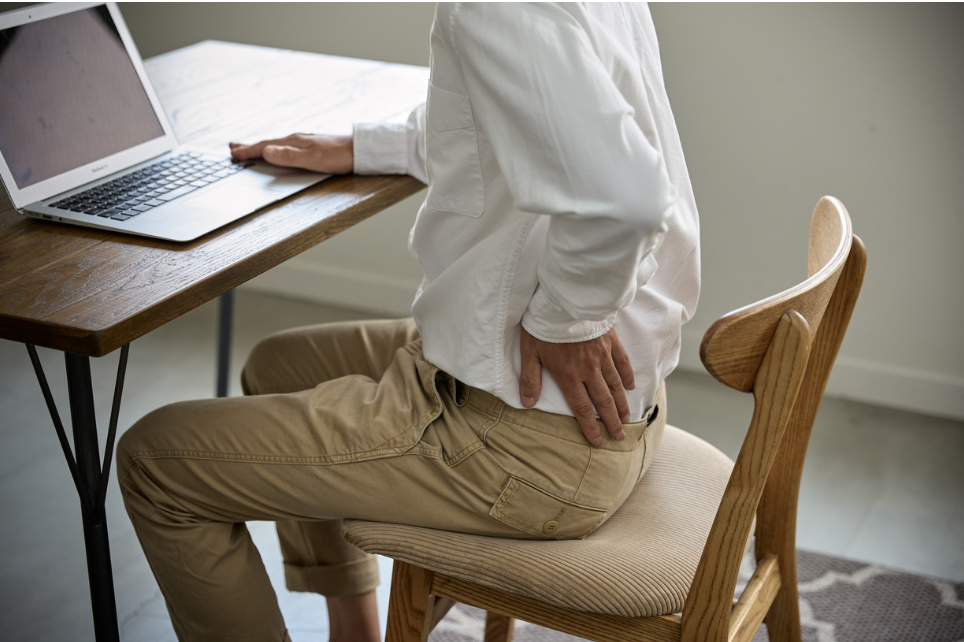
A bulging disc, also known as a disc herniation, is a common spinal condition that affects many individuals, often leading to persistent back pain, stiffness, and sometimes nerve-related symptoms. While conservative treatments such as physical therapy, medications, and chiropractic care are commonly recommended, osteopathy has also emerged as an effective approach for managing disc bulges and their associated symptoms. In this blog, we’ll explore what a disc bulge is, how osteopathy works, and why it can be an excellent option for those seeking relief.
What is a Disc Bulge?
The spine is made up of vertebrae, and between each vertebra lies an intervertebral disc, which acts as a cushion or shock absorber. Each disc has a tough outer layer (the annulus) and a soft, gel-like inner core (the nucleus pulposus). When the outer layer weakens or tears, the inner gel can bulge out and press on nearby nerves, causing pain, numbness, and tingling.
While a disc bulge can occur anywhere along the spine, it most commonly affects the lower back (lumbar spine) and neck (cervical spine). The symptoms can vary but often include:
- Localized pain in the back or neck.
- Radiating pain down the legs or arms (sciatica).
- Numbness or tingling sensations in the limbs.
- Muscle weakness or spasms.
- Limited range of motion, particularly when bending or twisting.
If left untreated, a bulging disc can lead to chronic pain and affect your daily activities. Fortunately, there are various therapies available to manage the condition and alleviate discomfort. One such approach is osteopathy.
What is Osteopathy?
Osteopathy is a holistic, hands-on approach to treating musculoskeletal pain and disorders. Osteopaths focus on the interrelationship between the body’s structure and function, emphasizing the importance of the spine, joints, and muscles in maintaining overall health. By using techniques like soft tissue manipulation, stretching, and joint mobilization, osteopathy aims to restore balance to the body, improve mobility, and reduce pain.
Osteopathic treatments are rooted in the belief that the body has an inherent ability to heal itself, and osteopaths work to facilitate this natural healing process. When it comes to treating a disc bulge, osteopaths target the areas that are contributing to the condition, such as tight muscles, misaligned joints, and restricted movement patterns.
How Osteopathy Helps with Disc Bulges
Osteopathy offers several benefits for those suffering from disc bulges. Let’s explore the ways in which osteopathic treatments can help:
- Pain Relief and Muscle Relaxation
One of the primary benefits of osteopathy is its ability to reduce pain and relax tense muscles. Osteopaths use a variety of techniques, such as deep tissue massage and myofascial release, to release muscle tension around the affected area. This helps to reduce the strain on the spinal discs and surrounding tissues, ultimately alleviating pain.
By improving blood circulation to the muscles and tissues, osteopathy can also promote faster healing and reduce inflammation, which is often a key contributor to pain in cases of disc bulges.
- Improving Spinal Alignment
A disc bulge often results in misalignments within the spine, especially in the vertebrae that surround the affected disc. Osteopaths focus on realigning the spine and improving posture, which can help take pressure off the bulging disc and reduce nerve compression. Proper spinal alignment is crucial for maintaining a healthy back and reducing the risk of further disc damage.
Through osteopathic spinal manipulation techniques, such as gentle joint mobilization and manipulation, osteopaths can restore proper alignment to the vertebrae, which in turn helps relieve the pressure on the bulging disc and surrounding nerves.
- Enhancing Range of Motion
A bulging disc can severely limit your range of motion, making it difficult to bend, twist, or even sit for long periods. Osteopaths can help improve your range of motion through targeted stretching and joint mobilization exercises. These techniques help release stiffness in the spine and surrounding tissues, allowing you to move more freely and comfortably.
By addressing restrictions in the joints and muscles, osteopathy promotes flexibility and mobility, which is vital for long-term recovery and reducing the risk of future injury.
- Reducing Inflammation
Chronic inflammation is a common issue for individuals with disc bulges, especially when nerve compression is present. Osteopathic treatments help reduce inflammation through various techniques, including lymphatic drainage and manual therapies. By improving circulation and encouraging the flow of fluids, osteopathy can help reduce swelling and alleviate the pressure on the nerve roots.
By addressing the underlying inflammation, osteopathy provides long-term relief from pain and discomfort associated with disc bulges.
- Promoting Strength and Stability
In addition to pain relief and alignment, osteopathy also focuses on strengthening the muscles that support the spine. Through corrective exercises and targeted strengthening programs, osteopaths help to build core strength and stability. A strong core is essential for reducing the strain on the spine and preventing future disc issues.
Osteopaths may also provide advice on posture, ergonomics, and lifestyle modifications to ensure that the spine remains supported and protected during daily activities.
- Non-Invasive Approach
One of the biggest advantages of osteopathy is that it is a non-invasive treatment. Unlike surgery or injections, osteopathy works with the body’s natural healing processes to promote recovery. This makes it an attractive option for individuals who prefer to avoid more invasive procedures or those looking for a conservative approach before considering surgery.
Other Disc Bulge Therapies to Consider
While osteopathy is a powerful tool for treating disc bulges, it is often most effective when combined with other therapies. Here are a few additional treatments that can complement osteopathic care:
- Physical Therapy: A physical therapist can design a specific exercise program to strengthen the muscles surrounding the spine and improve flexibility.
- Chiropractic Care: Like osteopathy, chiropractic care focuses on spinal manipulation to restore alignment and reduce pressure on the discs and nerves.
- Medications: Nonsteroidal anti-inflammatory drugs (NSAIDs), muscle relaxants, and nerve pain medications can help manage pain and inflammation.
- Epidural Steroid Injections: These injections can provide temporary relief from pain and inflammation by delivering corticosteroids directly to the affected area.
It should be noted that all these four therapeutic approaches are often used together to progress the condition to complete recovery. Your practitioner, in consultation with yourself will decide which methodology will work best in your condition.
Conclusion
Disc bulges can be incredibly painful and disruptive to daily life, but with the right treatment approach, recovery is possible. Osteopathy provides a holistic, non-invasive solution for managing the pain and discomfort associated with bulging discs. By improving spinal alignment, reducing muscle tension, and enhancing mobility, Osteopathy helps promote long-term healing and provides relief from chronic pain.
If you’re dealing with a disc bulge, consider consulting with an Osteopath to explore how this therapy can help you. Working with an experienced Osteopath, combined with other treatments such as physical therapy and proper lifestyle changes, can give you the best chance at regaining pain-free movement and improving your overall spinal health.